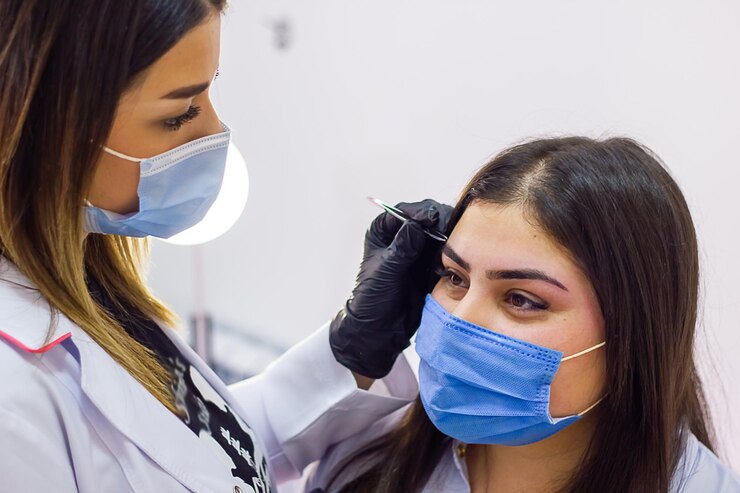
Undergoing an eyebrow transplant is a significant step toward fuller, natural-looking brows, but proper aftercare is essential for graft survival, healing, and ideal final results. This guide explains how to care for your transplanted brows immediately after surgery and in the weeks that follow.
At Hair-Transplant-Clinics.co.uk, our aftercare recommendations reflect best practices from our experienced, GMC-registered hair restoration specialists to ensure brows heal safely and grow naturally.
Why Aftercare Matters
After an eyebrow transplant, transplanted hair follicles are delicate.
Good aftercare:
- Supports graft survival
- Reduces risk of infection or irritation
- Helps ensure natural hair growth and shape
- Minimises scarring and ensures better cosmetic outcome
Neglecting aftercare can compromise results, from poor growth to visible scarring or uneven brows.
Immediate Aftercare (First 48–72 Hours)
Right after the procedure:
- Gently blot (do not rub) any blood or fluid with a clean, soft cloth.
- Avoid touching the grafted area with unwashed hands.
- Do not wash your face or brows for at least 24 hours (or as recommended by your surgeon).
- Avoid strenuous activity, heavy perspiration, or bending over, minimize pressure and friction around the eyebrow area.
- Sleep with your head elevated (e.g. using extra pillows) to reduce swelling and fluid build-up.
This gentle care helps grafts settle securely and reduces irritation or dislodgement.
First Two Weeks: Healing Phase
During weeks 1–2:
- Clean gently if needed, use a mild, fragrance-free cleanser and pat dry carefully.
- Avoid makeup, eyebrow pencils, tinting, or tint-related chemicals until brows are fully healed.
- Avoid direct sunlight, swimming pools, saunas, or steam rooms, protecting the area from UV and moisture.
- Do not scratch, pick, or rub the grafted area, even if there is itching, crusting or scabbing.
- Follow the surgeon’s instructions for any prescribed ointments or moisturizers.
These precautions help avoid infection, displacement, or damage when follicles are still fragile.
Weeks 3–8: Growth & Adjustment Phase
As your brows begin to settle and transplanted hairs start to grow:
- Wash gently, avoid harsh soaps or aggressive exfoliation around brows.
- Trim or shape with care (if needed), but avoid plucking or waxing transplanted hairs.
- Use gentle skincare products, avoid strong acids, retinoids, or chemical treatments near eyebrow area.
- Maintain overall skin and health hygiene, healthy lifestyle supports better hair growth.
This period is important for graft consolidation; gentle care ensures optimal survival and natural growth patterns.
Long-Term Care & Maintenance for Transplanted Eyebrows
After initial healing:
- Expect transplanted hairs to grow like normal scalp hair, so regular trimming or shaping may be needed for a natural brow look.
- Avoid harsh chemical treatments or frequent tinting that may damage transplanted hair or affect skin health.
- Use gentle brow-friendly skincare and avoid aggressive exfoliants or products with strong chemicals near eyebrow area.
- Protect from prolonged UV exposure, wear sunglasses or use sunscreen when outdoors.
- Have periodic checkups if recommended by your surgeon to monitor graft health and growth progress.
Consistent care ensures long-lasting, natural-looking brows.
Common Mistakes & What to Avoid
- Washing or rubbing too soon after transplant, risks dislodging grafts.
- Applying makeup, tint, or strong cosmetic products too early.
- Plucking, waxing, or using tweezers on transplanted hairs.
- Exposing brows to excessive sun, heat, or humidity in early healing phase.
- Using harsh cleansers, chemical exfoliants, or strong skincare products near brows.
- Neglecting moisturization or aftercare instructions, may cause dryness, irritation or poor growth.
Avoiding these mistakes is key to achieving successful, natural results.
What to Do If You Experience Issues
If you notice any of the following, contact your surgeon or clinic promptly:
- Persistent redness, swelling, or pain beyond first few days
- Signs of infection (pus, unusual discharge, increasing discomfort)
- Hair falling out in large clumps after initial shed phase (beyond normal shedding)
- Uneven growth, patchiness, or graft failure in the eyebrow area
Prompt medical attention can help address complications and improve the likelihood of good final results.
Realistic Expectations for Growth & Maintenance
- Transplanted eyebrow hairs will behave like normal hair, they may grow longer and require regular trimming or shaping.
- Full, natural-looking results may take 6–9 months (sometimes 12 months) after transplant, as hair grows in phases and settles.
- Some hairs may shed initially (shock loss), but typically re-grow in a few months, patience pays off.
- Maintenance is ongoing: shaping, gentle care, occasional checkups, this is a permanent but managed solution.
With proper aftercare and realistic expectations, eyebrow transplant can deliver long-term satisfaction and natural results.
Conclusion & Smart Next Steps
Proper aftercare after an eyebrow transplant is just as important as the surgery itself, it ensures graft survival, natural growth, and long-term success.
Follow surgeon’s aftercare instructions carefully
Be gentle with cleansing, avoid harsh treatments early on
Protect brows from UV, chemicals, irritation, and avoid plucking
Maintain shaping and grooming over time for natural results
If you’re planning an eyebrow transplant or have recently had one, book a follow-up with the specialists at Hair-Transplant-Clinics.co.uk. We’ll guide you on aftercare tailored to your skin and hair type to maximise success.
FAQs
Aftercare supports graft survival, reduces infection or irritation, minimises scarring, and helps ensure natural hair growth and a better cosmetic outcome.
You should gently blot fluid, avoid touching the grafts, avoid washing your face for at least 24 hours, avoid strenuous activity, and sleep with your head elevated to reduce swelling.
Avoid makeup, tinting, sunlight, swimming, steam rooms, and scratching. Clean gently with a mild cleanser and follow any prescribed ointment instructions.
Wash gently, avoid harsh soaps or exfoliation, trim carefully if needed (without plucking or waxing), use gentle skincare, and maintain overall skin hygiene.
Contact your surgeon promptly if you notice persistent redness, swelling, signs of infection, unusual shedding, patchiness, or graft failure.