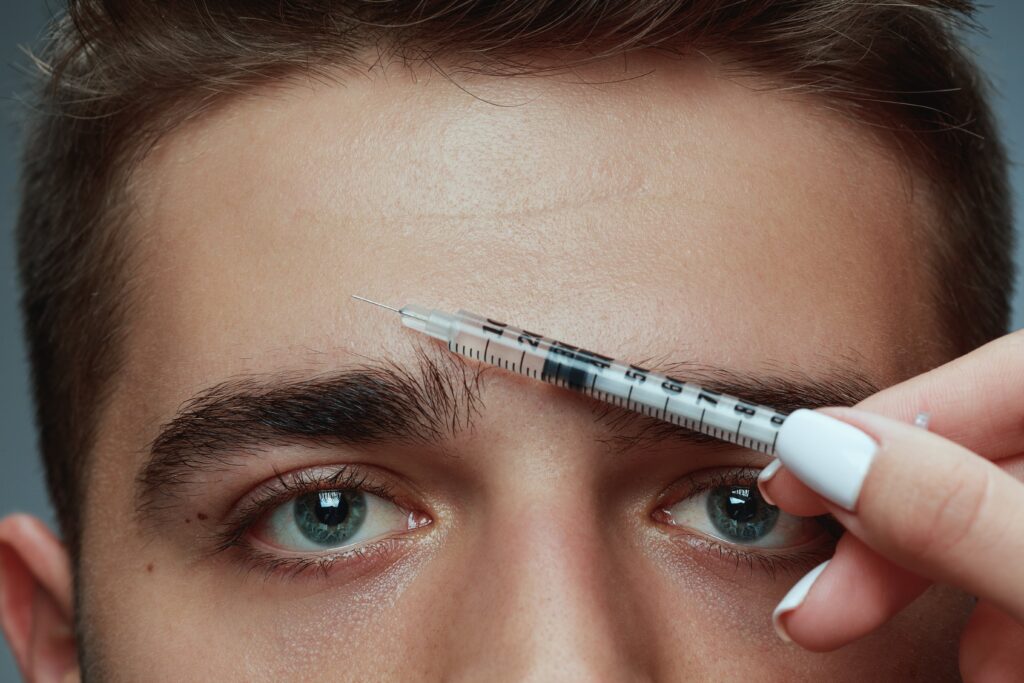
An eyebrow hair transplant can be safe and effective, but like any surgical procedure, it carries potential risks including infection, uneven growth, graft failure, and scarring. Choosing an experienced surgeon and following proper aftercare significantly reduces complications.
This guide explains:
- Whether an eyebrow transplant is safe
- What risks are possible
- What “gone wrong” cases look like
- How to minimise complications
When to seek professional help
Why This Question Matters
- Eyebrow hair transplant
- Eyebrow hair replacement
- Eyebrow transplant gone wrong
- Is eyebrow transplant safe
show that people are not just interested in benefits they want realistic risk information before deciding.
An eyebrow transplant changes your appearance permanently, so understanding safety, potential downsides, and how to manage complications is essential for confident decision-making.
Is an Eyebrow Hair Transplant Safe?
Yes eyebrow hair transplants are generally safe when performed by a qualified, experienced specialist.
Safety depends on:
- Surgeon expertise
- Clinic standards
- Pre-operative evaluation
- Proper aftercare
- Individual health factors
In reputable clinics, major complications are uncommon, but side effects and minor issues can occur.
Common Risks and Potential Complications
1. Infection
Any surgical procedure carries a risk of infection.
- Signs include redness, swelling, warmth, or discharge
- Usually preventable with good hygiene and antibiotics when needed
- Early detection ≥ better recovery
2. Uneven or Unnatural Growth
Eyebrow hair grows at specific angles and patterns.
Poor planning or execution may lead to:
- Odd hair direction
- Uneven density
- Asymmetry
This is often correctable but may require revision or touch-ups.
3. Graft Failure or Poor Survival
Not all transplanted follicles “take” successfully.
- Some hair grafts may not survive
- Patchy areas can result
- Secondary sessions may be recommended
Graft failure risk is lower in experienced hands.
4. Scarring
Scarring is more common in the donor area than the eyebrow area.
- Tiny dot scars with FUE
- Linear scar with FUT (rarely used for brows)
Most scars are minimal when properly done.
5. Temporary Redness or Swelling
Mild redness or swelling is common initially and typically resolves in days.
6. Long-Term Grooming Needs
Because transplanted hair often comes from the scalp:
- Hair may grow longer than natural eyebrow hair
- Regular trimming and shaping are normally necessary
This is a maintenance consideration, not a surgical risk.
Eyebrow Transplant Gone Wrong: What It Means
This phrase often appears when:
- Results look uneven or unnatural
- Hair direction is inconsistent
- Density is too heavy or too light
- Patient expectations were unrealistic
Most “gone wrong” cases are due to:
- Inadequate surgical planning
- Poor understanding of eyebrow anatomy
- Less experienced surgeons
- Improper aftercare
These situations can sometimes be improved with revision procedures, but prevention is far better than correction.
How to Minimise Risks
Choose a Qualified Surgeon
Look for:
- Experience specifically in eyebrow transplants
- Before/after photos of similar cases
- Good patient reviews
- GMC registration (in the UK)
Discuss Expectations Clearly
Good communication prevents:
- Unrealistic goals
- Misunderstandings about density or shape
Follow Aftercare Instructions
Aftercare helps:
- Reduce infection risk
- Improve graft survival
- Minimise swelling and irritation
When to Seek Professional Help
Contact your clinic if you experience:
- Increasing pain or redness
- Excessive swelling or discharge
- Fever
- Missing sutures or grafts
- Cosmetic results that are seriously asymmetric or unnatural
Prompt attention can prevent further complications.
Key Takeaways
- Eyebrow hair transplant is generally safe with the right surgeon
- Risks include infection, uneven growth, graft loss, and temporary swelling
- “Gone wrong” cases often result from poor planning or execution
- Choosing an experienced specialist and following aftercare reduces complications
- Maintenance (e.g., trimming) is usually needed because scalp hair behaves differently
Final Thought
An eyebrow hair transplant can deliver natural, permanent results, but like any surgical procedure, it carries risks and requires careful planning. Safety starts with choosing a qualified surgeon who understands eyebrow anatomy and aesthetics, and continues with clear communication and proper aftercare.
Understanding the possible downsides from minor redness to the rare need for revision empowers patients to set realistic expectations and make informed decisions. Eyebrow transplant success isn’t just about hair being placed; it’s about how well the technique matches your face, your grooming habits, and your long-term goals.
If you’re considering this procedure, discuss both the benefits and risks openly with your surgeon so you enter the process with confidence and clarity.
Frequently Asked Questions (FAQs)
Yes. Eyebrow transplants are generally safe when performed by qualified surgeons with proper protocols and aftercare.
Common risks include infection, uneven growth, graft failure, minor scarring, temporary redness, and ongoing grooming needs.
It usually refers to results that look uneven, asymmetrical, unnatural, or that require correction due to planning or technical errors.
In many cases, yes. Revision procedures or corrective surgery may improve outcomes, but careful initial planning is preferable.
Local anaesthesia is used during the procedure. Mild discomfort or soreness may occur afterward, but lasting pain is uncommon.
Minimal scarring is common at the donor site. The eyebrow recipient area usually heals with very tiny or no visible scars when done well.