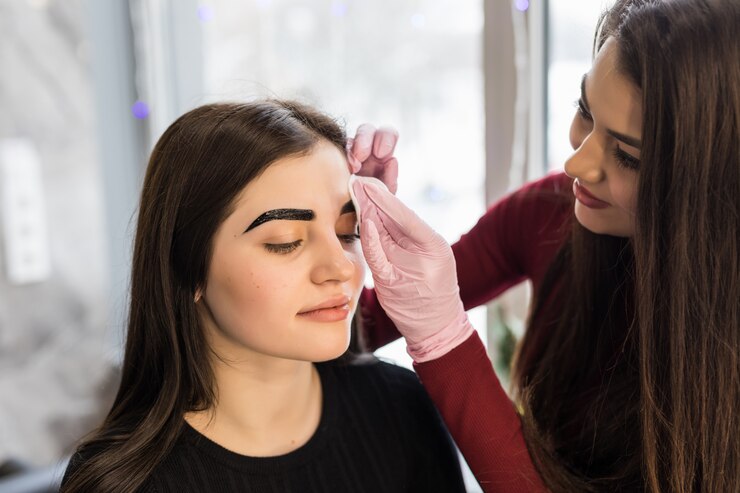
An eyebrow transplant can provide permanent, natural-looking eyebrows, but it also involves cost, healing time, and ongoing grooming. Whether it is worth it depends on your expectations, donor hair quality, and willingness to maintain the results.
This guide explains the pros, cons, risks, costs, and ideal candidates so you can make an informed decision.
Why People Choose an Eyebrow Transplant
People consider eyebrow transplants for many reasons, including:
- Over-plucking, waxing, or long-term cosmetic damage
- Scarring, burns, or trauma affecting eyebrow hair
- Medical hair-loss conditions (such as certain types of alopecia)
- Naturally thin or uneven eyebrows
- Desire for a permanent alternative to makeup, microblading, or tattooing
For many, eyebrow implants offer a more natural and lasting solution than temporary cosmetic options.
Key Advantages of Eyebrow Transplants
1. Natural Look and Real Hair Growth
Transplanted eyebrow hair is your own hair, so once healed, it grows naturally with real texture and movement unlike drawn-on or tattooed brows.
2. Permanent Results
Once the grafts survive and establish blood supply, the results are generally long-lasting or permanent, unlike microblading or cosmetic tattoos that fade over time.
3. Improved Facial Balance and Confidence
Eyebrows play a major role in facial expression and symmetry. Fuller, well-shaped brows can noticeably improve overall appearance and self-confidence.
4. No Daily Makeup After Healing
After the initial healing phase, most patients no longer rely on daily eyebrow makeup, saving time and ongoing cosmetic costs.
5. Effective for Reconstruction Cases
Eyebrow transplants are often the only effective solution for people who have lost eyebrows due to:
- Scarring
- Burns
- Surgery
- Medical treatments
Common Disadvantages of Eyebrow Transplants
1. Cost
Eyebrow transplant costs are higher than non-surgical options. Pricing varies based on:
- Number of grafts
- Surgeon experience
- Clinic standards
This makes it a significant financial commitment.
2. Results Take Time
Eyebrow transplants do not give instant results:
- Transplanted hairs usually shed initially
- New growth starts around 3–6 months
- Final results may take 9–12 months
3. Ongoing Maintenance Required
Because donor hair usually comes from the scalp:
- Eyebrow hairs grow longer and faster than natural brow hair
- Regular trimming and grooming are required
This surprises some patients.
4. Possible Need for More Than One Session
Some patients may require a second session for:
- Improved density
- Better symmetry
- Areas where graft survival was lower
5. Surgical Risks
As with any surgical procedure, risks include:
- Temporary redness, swelling, or scabbing
- Infection (rare with proper care)
- Uneven growth or poor hair direction
- Partial graft failure
Choosing an experienced surgeon is critical.
Who Is an Ideal Candidate for an Eyebrow Transplant?
Eyebrow transplants work best for people who:
- Have naturally thin or sparse eyebrows
- Lost eyebrow hair due to trauma or over-plucking
- Want permanent, real-hair eyebrows
- Have a healthy donor hair supply
- Are comfortable with trimming and grooming
- Have realistic expectations, not perfection
People with poor donor hair, active skin conditions, or expectations of instant results may not be ideal candidates.
What to Expect After an Eyebrow Transplant
- Mild redness and scabbing initially
- Shedding of transplanted hairs (normal phase)
- New hair growth begins in 3–6 months
- Final shape and density visible by 9–12 months
- Ongoing trimming to maintain a natural brow length
Patience is essential for good results.
Risks & What to Watch Out For
Potential issues include:
- Incorrect hair direction if grafts are poorly placed
- Uneven density or patchy growth
- Higher maintenance than expected
- Additional costs if follow-up sessions are needed
These risks are significantly reduced when the procedure is performed by an experienced, qualified surgeon.
Is an Eyebrow Transplant Worth It?
An eyebrow transplant can be worth it if:
- You want permanent, natural eyebrows
- You accept healing time and grooming
- You understand the limitations
It may not be ideal if:
- You want instant results
- You prefer zero maintenance
You are looking for a low-cost solution
Final Thought
An eyebrow transplant is not a cosmetic shortcut it is a surgical solution for permanent eyebrow restoration. When done well, it can deliver highly natural results and long-term satisfaction. However, it also requires patience, realistic expectations, and ongoing maintenance.
The best outcomes come from proper candidate selection, careful planning, and an experienced surgeon who understands eyebrow hair direction and facial balance. If permanence and natural growth matter more to you than speed or convenience, an eyebrow transplant can be a highly effective option.
Frequently Asked Questions (FAQs)
Eyebrow implants refer to transplanting your own hair follicles into the eyebrow area to restore natural eyebrow hair growth.
Yes. Once the transplanted follicles survive, they usually provide permanent eyebrow hair growth.
Costs vary depending on graft numbers, surgeon experience, and clinic location. It is more expensive than cosmetic alternatives but offers long-term results.
It can be worth it for those seeking permanent, natural brows and willing to maintain them. It is less suitable for people wanting instant or maintenance-free results.
Yes. Because donor hair comes from the scalp, trimming and grooming are usually required to maintain a natural eyebrow appearance.