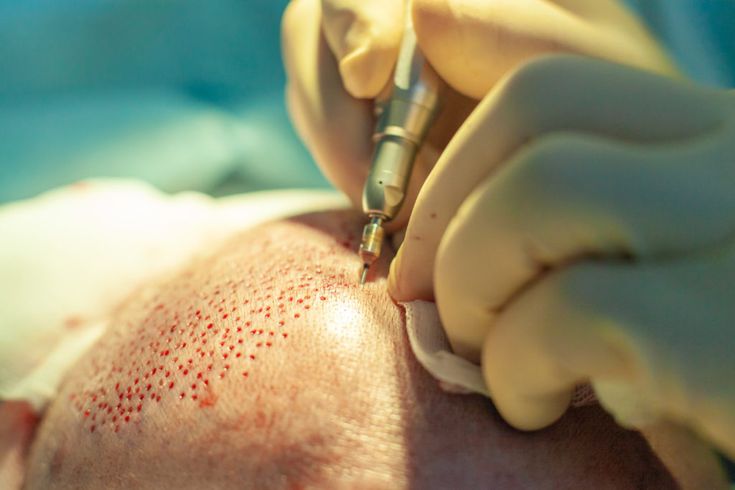
Hair transplant overharvesting, where too many grafts are taken from the donor area, can lead to permanent thinning, patchiness, or visible scarring. This guide explains what overharvesting is, why it happens, and how you can avoid it, ensuring a safe, natural-looking transplant outcome.
At Hair-Transplant-Clinics.co.uk, our approach is rooted in responsible donor-site management and expert surgical planning by GMC-registered specialists.
What Is Hair Transplant Overharvesting?
Overharvesting occurs when too many hair follicles are extracted from the donor zone, often exceeding safe donor limits. The result may include:
- Noticeable thinning at the donor area
- Patchy or uneven scalp appearance
- Reduced donor reserves for future procedures
- Scarring or poor regrowth outside transplanted zones
In short: overharvesting sacrifices long-term donor health for short-term graft yield.
Why Overharvesting Happens
Poor Donor Assessment
Some clinics may not accurately evaluate donor hair density or scalp elasticity, leading to excessive graft extraction beyond safe limits.
Aggressive Graft Extraction Goals
Pressure to deliver large graft numbers may encourage surgeons to overharvest donor areas especially in single sessions.
Inexperienced or Unethical Practitioners
Lack of experience, or prioritising profit over patient safety, often leads to overharvesting mistakes.
Inadequate Planning & Technique
Improper spacing between extraction sites, or using large punches rather than micro-punches, can damage the donor area and cause visible thinning.
How to Avoid Overharvesting: Pre-Surgery Checklist
Before committing to a hair transplant, ensure you or your surgeon checks:
- A detailed donor-density and scalp elasticity assessment
- A realistic graft-yield plan based on safe extraction limits
- Use of modern micro-punch tools for minimal donor trauma
- Proper spacing between extraction sites to preserve scalp integrity
- A clear plan for graft distribution and long-term donor preservation
Transparency about donor reserves and potential need for conservatism
What to Ask Your Surgeon
- What is my donor density (grafts per cm²) and how many grafts can be safely extracted?”
- What punch size and extraction technique will you use?
- How much spacing will you leave between extraction sites?
- Will you show me a donor-area plan before extraction?
- Red flags: promises of unusually high graft numbers in one session, no donor evaluation, or unwillingness to limit extraction for donor preservatio
Safe Donor Management & Ethical Harvesting Practices
- Use of micro-punch FUE to minimize donor trauma.
- Harvest spacing to ensure scalp strength and avoid thinning.
- Conservative graft counts per session, especially for first procedures.
- Accurate documentation of harvested grafts and donor density for future planning.
- Avoid aggressive harvesting even if demand is high, long-term donor health is priority.
These practices help maintain donor area integrity, minimize scarring, and preserve future transplant options.
Post-Surgery Care to Support Donor Health
After transplant, proper care can aid donor recovery:
- Follow surgeon’s scalp hygiene and wound-care instructions strictly.
- Avoid heavy scratching or tension at donor sites.
- Protect scalp from sun, harsh chemicals, or irritants.
- Monitor donor area healing; report any patchiness or thinning early.
- Maintain overall scalp health with gentle cleansing, nutrition, and hydration.
Good aftercare helps prevent visible scarring and supports healthy regrowth in unused zones.
When Overharvesting Risk Is High: Who Should Reconsider Surgery
A hair transplant (or at least a large graft session) may be ill-advised if you have:
- Low donor-site density or poor scalp elasticity
- Previous transplants that already used much donor reserve
- Scalp conditions that impair healing (e.g., scarring alopecia, poor blood supply)
- Unrealistic expectations for very high graft numbers in one go
In such cases, consider alternative treatments (medical therapy, gradual smaller sessions, or non-surgical options) rather than risking donor damage.
Conclusion
Avoiding hair transplant overharvesting means prioritising donor safety, realistic graft yield, and long-term scalp health. Before surgery:
- Request a full donor assessment
- Confirm use of safe micro-punch techniques
- Ensure proper spacing and ethical graft planning
- Understand your donor reserve and realistic transplant potential
If you’re considering a transplant, schedule a consultation with the specialists at Hair-Transplant-Clinics.co.uk. We’ll help assess your donor suitability and design a graft plan that provides natural results, without risking your donor area or future options.
FAQs
Overharvesting happens when too many follicles are taken from the donor area, leading to visible thinning, patchiness, reduced future donor reserves, and possible scarring.
Common causes include poor donor assessment, aggressive graft goals, inexperienced or unethical practitioners, and inadequate extraction planning or technique.
Ensure a detailed donor-density assessment, a realistic graft plan, use of modern micro-punch tools, proper spacing between extraction points, and transparency about long-term donor preservation.
Ask about your donor density, safe graft limits, the punch size they’ll use, how much spacing they’ll leave, and whether they will show a donor-area plan before the procedure. Avoid clinics promising unusually high graft numbers without proper evaluation.
When donor density is low, scalp elasticity is poor, previous surgeries have already depleted donor reserves, healing conditions are present, or expectations require very high graft numbers that could risk donor damage.
Sources: