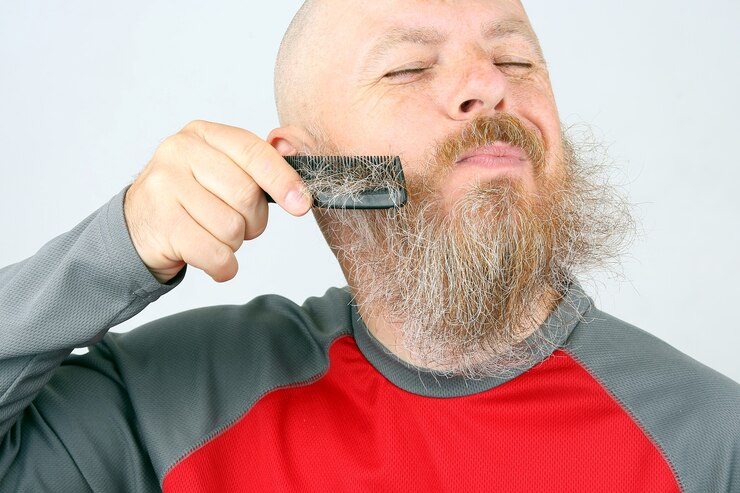
A beard has become more than just facial hair. For many men, it represents confidence, masculinity, personal style, and self-expression. While some men naturally grow a thick, even beard, others struggle with patchy facial hair, slow beard growth, or areas where hair simply does not grow.
This is one of the main reasons why beard transplant procedures have become increasingly popular in recent years.
A beard transplant is a permanent facial hair restoration procedure that transfers healthy hair follicles from a donor area, typically the back of the scalp, into areas of the beard that lack density or coverage. Modern techniques such as FUE beard transplants can create natural-looking results that continue to grow for life.
If you have ever wondered why get a beard transplant, this guide explores the most common reasons men choose beard transplants and how the procedure can help achieve a fuller, more defined beard.
Table of Content
ToggleWhat Is a Beard Transplant?
A beard transplant is a cosmetic hair restoration procedure designed to improve beard density, shape, and coverage.
The procedure involves extracting healthy hair follicles from a donor area and implanting them into the beard region. Once transplanted, these follicles continue to grow naturally and can be shaved, trimmed, and styled just like normal facial hair.
Most clinics perform beard transplants using Follicular Unit Extraction (FUE), a minimally invasive technique that leaves tiny, almost invisible scars and offers a faster recovery period compared to older methods.
Patchy or Uneven Beard Growth
One of the most common reasons for beard transplant treatment is patchy beard growth. Many men find that certain areas of their beard remain thin or completely bare despite years of trying to grow facial hair naturally.
Patchiness may occur because of:
- Genetics
- Hormonal factors
- Uneven follicle distribution
- Previous skin conditions
A beard transplant can fill these gaps and create a more balanced, fuller appearance.
For many patients, eliminating patchy areas is the primary reason they decide to undergo beard restoration.
Achieving a Fuller and Thicker Beard
Not every man wants a beard transplant because of bald patches. Some men simply want a thicker, denser beard.
Current beard trends often favour:
- Full beards
- Designer stubble
- Defined jawline beards
- Well-structured beard styles
A beard transplant can increase density across the entire beard, helping men achieve the appearance they have always wanted.
This remains one of the most common reasons men choose beard transplants today.
Improving Self-Confidence
Facial appearance can have a significant impact on self-esteem.
Many men report feeling self-conscious about:
- Sparse facial hair
- Thin beard growth
- Uneven beard patterns
- Inability to grow a beard
A fuller beard can improve facial balance and create a stronger appearance, which often leads to increased confidence in both personal and professional settings.
For many patients, the emotional benefits of a beard transplant are just as important as the physical transformation.
Covering Facial Scars
Another major reason for beard transplant surgery is scar concealment.
Scars caused by:
- Acne
- Burns
- Accidents
- Previous surgeries
can prevent hair from growing normally.
A beard transplant can place healthy follicles directly into scar tissue, helping camouflage visible scars and create a more uniform beard appearance.
This technique is commonly used as part of beard restoration treatments and can dramatically improve facial aesthetics.
Genetic Factors and Poor Beard Growth
Genetics play a major role in determining beard thickness, density, and growth patterns.
Some men naturally inherit:
- Thin facial hair
- Sparse beard growth
- Uneven beard distribution
Even when testosterone levels are normal, genetic factors may prevent a thick beard from developing.
For these individuals, a beard transplant often provides the most effective long-term solution.
Beard Hair Loss Caused by Medical Conditions
Certain medical conditions can affect beard growth.
Examples include:
- Alopecia areata
- Hormonal imbalances
- Skin disorders
- Previous facial injuries
These conditions can create bald patches within the beard or prevent hair from growing altogether.
A beard transplant may help restore beard density once the underlying condition has been properly assessed and managed.
Following Modern Grooming Trends
The popularity of beard styles has grown significantly over the last decade.
Celebrities, athletes, actors, and social media influencers have contributed to the rise of beard culture. Well-groomed facial hair is now widely associated with:
- Masculinity
- Professional grooming
- Personal style
- Confidence
Many men choose beard transplants because they want to achieve the same full, defined beard styles they see online and in popular culture.
Looking More Mature
In many cultures, facial hair is associated with maturity and adulthood.
Some younger men struggle to grow a beard naturally and feel that a fuller beard would help them project a more mature appearance.
A beard transplant can help create:
- Stronger facial definition
- Improved jawline appearance
- Greater facial symmetry
- A more mature overall look
This is particularly appealing for men in their twenties and thirties who want a more established appearance.
Long-Term and Permanent Results
Unlike beard growth products and temporary treatments, a beard transplant provides permanent results.
Many men spend years trying:
- Beard oils
- Supplements
- Growth serums
- Minoxidil
While some products may improve beard growth temporarily, results are often limited and require ongoing maintenance.
A beard transplant offers a long-term solution because the transplanted follicles continue growing permanently after successful healing.
FUE Beard Transplants: The Preferred Choice
Most modern beard transplant procedures are performed using FUE (Follicular Unit Extraction).
Benefits of FUE beard transplants include:
- Minimal scarring
- Faster recovery
- Natural-looking results
- Precise beard design
- Less discomfort compared to older methods
Because follicles are extracted individually, surgeons can carefully place grafts at the correct angle and direction to match natural beard growth patterns.
Who Is a Good Candidate for a Beard Transplant?
You may be a suitable candidate if you:
- Have patchy facial hair
- Cannot grow a full beard naturally
- Have beard scars
- Experience beard hair loss
- Want increased beard density
- Have sufficient donor hair available
A consultation with an experienced beard transplant surgeon can determine whether the procedure is right for your goals.
Why Choose Hair Transplant Clinics?
At Hair Transplant Clinics, we understand that every beard is unique.
Our experienced team provides personalised beard restoration treatments designed to create natural-looking results that complement your facial structure and desired beard style.
What You Can Expect
- Personalised treatment planning
- Advanced FUE beard transplant techniques
- Natural beard design
- Comprehensive aftercare support
- Experienced hair restoration specialists
- Focus on long-term results
Whether you want to fill patchy areas, conceal scars, or create a fuller beard, our team is here to guide you through every stage of your beard restoration journey.
Final Thoughts
The reasons for beard transplant surgery vary from person to person, but the goal is often the same: achieving a fuller, more confident appearance.
Whether you are dealing with patchy facial hair, beard scars, genetic beard thinning, or simply want a thicker beard, modern beard transplant procedures offer a permanent and natural-looking solution.
Understanding why get a beard transplant and exploring your treatment options can help you make an informed decision about your facial hair restoration goals.