Scalp micropigmentation (SMP) can offer a quick solution to thinning hair or baldness, but when done incorrectly or without proper planning, many feel regret. This guide helps you understand common SMP mistakes, how to avoid them, and what to check before deciding on this semi-permanent hair-loss solution.
At Hair-Transplant-Clinics.co.uk, our advice is informed by experienced practitioners committed to safe, realistic, and satisfactory scalp pigmentation outcomes.
Common Scalp Micropigmentation Regrets
Many clients who undergo SMP, only to feel unhappy later, report a variety of issues, such as:
- Pigment that looks too dark or artificial
- Colour mismatched to natural hair or skin tone
- Uneven density, patchiness, or blotchy spots
- Obvious “tattoo-like” appearance rather than natural hair shadow
- Fading too quickly or changing hue (e.g. becoming bluish or grey)
- Poor blending at hairline or around temples
- Dissatisfaction with style, especially when hair grows back or thins
These regrets often arise because SMP was treated as a cosmetic quick fix, without enough thought given to technique, practitioner skill, or long-term appearance.
Why These Issues Happen (Technical & Planning Mistakes)
Poor Colour Matching
If pigment is too dark, or the tone doesn’t reflect the client’s natural hair/skin undertone, the result can look unnatural.
Inappropriate Density / Dot Technique
Applying too many dots per cm² or using the wrong dot size can create a “blocky” or overly dense effect.
Lack of Blending & Poor Hairline Design
A harsh or straight hairline tends to make SMP obvious. For a natural result, the hairline must mimic natural irregularity and blend seamlessly with scalp tone.
Low-Quality Pigments or Equipment
Inferior inks may fade unevenly, change colour over time, or blur, leading to dissatisfaction later.
Unrealistic Expectations / Wrong Candidate Choice
SMP works best to simulate a shaved head or very short stubble look. If you expect a full hair-like density or are planning to grow longer hair, SMP might not meet those expectations.
How to Avoid Scalp Micropigmentation Mistakes: Pre-Procedure Checklist
Before you commit to SMP, ensure you check the following:
- Practitioner’s experience and portfolio: review before-and-after photos, especially on clients with similar skin tone/hair colour as you.
- Use of high-quality, safe pigments designed for SMP, avoiding tattoo inks or low-grade dyes.
- Custom colour matching session, ideally with natural lighting.
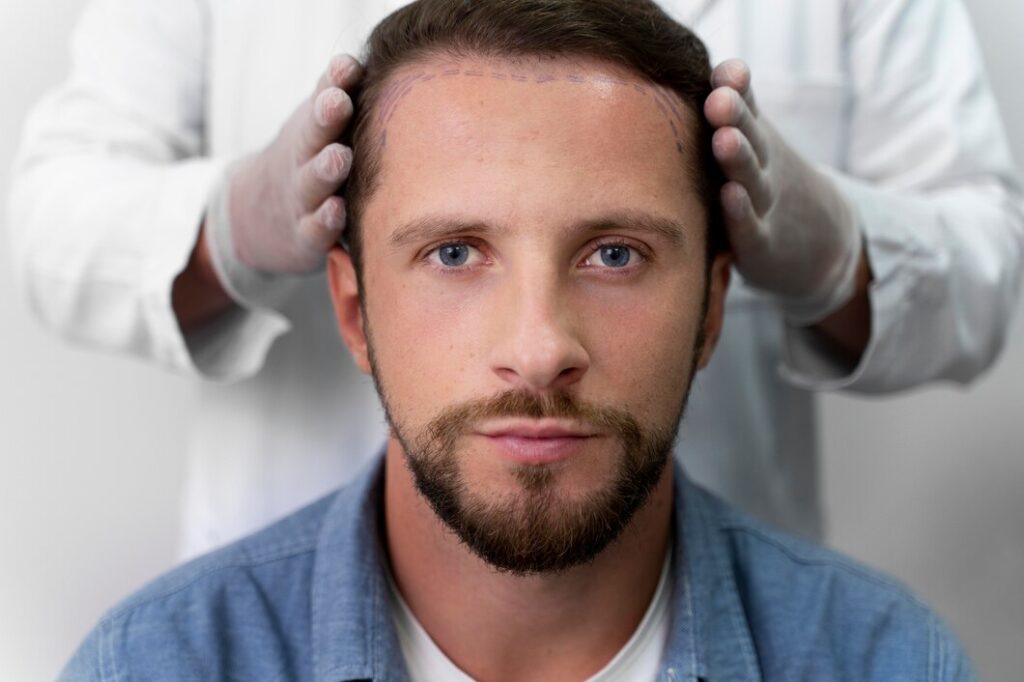
- A draft hairline design shown on you before actual treatment.
- Realistic expectations discussion: SMP simulates close-cropped hair, not full hair growth.
- Understanding of maintenance needs: touch-ups over time are often needed.
- Written consent and aftercare instructions.
What to Ask Your Practitioner (Questions & Red Flags)
- “How many SMP sessions have you done, and can I see results on clients with a similar skin/hair profile?”
- “What pigment brand do you use? Is it fade-resistant and safe for scalp skin?”
- “How do you plan hairline design and scalp blending for natural look?”
- “What aftercare do you recommend to avoid fading or blotchiness?”
Red flag: no portfolio, no before/after photos, or offering a ‘one-session fix’. Real SMP usually requires 2–3 sessions and careful planning.
Aftercare & Maintenance: Preventing Regret Post-SMP
Proper aftercare is vital to ensure long-lasting, natural results:
- Avoid heavy sweating, swimming pools, or sauna for at least 7–10 days after procedure.
- Use gentle, fragrance-free shampoos; avoid strong scrubs or exfoliants.
- Avoid direct, prolonged sun exposure: Use SPF or a hat if outdoors.
- Expect gradual fading: schedule touch-ups annually or as recommended.
If you notice colour changes (e.g. becoming bluish or patchy), contact your practitioner, pigment correction may be possible.
When SMP Is Not the Right Choice
Scalp micropigmentation may not suit you if:
- You plan to grow longer hair and expect natural hair-like volume.
- You have skin conditions (psoriasis, eczema, keloid-prone skin) that make pigmentation risky.
- You want a full scalp fullness rather than a “shaved look”.
- You are looking for a permanent hair growth solution, SMP only gives the appearance of hair, not real growth.
In such cases, a true hair-restoration procedure (like a transplant) might be more appropriate.
Conclusion & Smart Next Steps
Scalp micropigmentation can be a transformative solution, but only when done carefully, by skilled practitioners, and with realistic expectations. To avoid regrets later:
- Choose your clinic and practitioner carefully
- Understand the limitations and maintenance requirements
- Ensure proper aftercare and realistic expectations
If you’re considering SMP, book a detailed consultation at Hair-Transplant-Clinics.co.uk. We can assess whether SMP is a good fit for you, or help you explore alternative hair restoration options for a result you’ll feel confident with in the long run.
FAQs
Common regrets include pigment looking too dark, colour mismatched to natural tones, patchiness, a “tattoo-like” look, poor hairline blending, quick fading, or colour shifting to grey or blue.
They usually result from poor colour matching, incorrect dot density or dot size, harsh or unrealistic hairline design, low-quality pigments or equipment, or unrealistic expectations about what SMP can achieve.
Review the practitioner’s portfolio, check pigment quality, ensure custom colour matching, confirm a draft hairline design, discuss realistic expectations, and understand maintenance requirements.
Ask about their experience, the pigment brand used, how they design and blend hairlines, and what aftercare they recommend. Avoid practitioners who offer a “one-session fix” or cannot show results.
It may not be suitable if you want longer hair, have scalp conditions, expect full hair-like volume, or are looking for a permanent hair-growth solution rather than a cosmetic shadow effect.