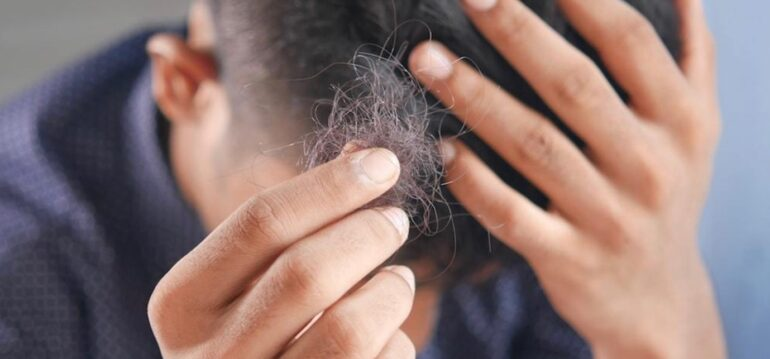
Hair follicles can stop producing hair due to genetics, hormones, inflammation, trauma, or scarring. When hair follicles “die,” they no longer grow visible hairs, and the skin in that area may appear smooth or shiny. While some causes are permanent, others can be slowed or managed with medical treatments.
Table of Content
ToggleThis article explains what hair follicles are, what it looks like when they die, why it happens, and what treatment options might help depending on the cause.
What Are Hair Follicles?
A hair follicle is the tiny structure in the skin that produces a hair strand.
Every hair on your head, face, or body begins its life in a follicle. Follicles play a vital role in:
- Hair growth
- Hair cycling (growth & rest phases)
- Hair regeneration
What Does a Dead Hair Follicle Look Like?
Common signs that a hair follicle is no longer active include:
- Smooth skin without tiny hair pores
- No visible hair regrowth after shedding
- Skin appears shiny or flat
- Hair stops growing for many months or permanently
Importantly, what looks like a “dead follicle” may sometimes be a dormant follicle one that is temporarily inactive but not permanently destroyed.
Difference Between Dormant vs Dead Follicles
Feature | Dormant | Dead |
Hair may regrow | Possible with treatment | No regrowth |
Skin texture | Normal with tiny pores | May appear smooth/shiny |
Time frame | Weeks–months | Permanent loss |
Causes | Hormones, stress | Scarring, trauma |
Why Do Hair Follicles Die?
Hair follicles can stop producing hair for many reasons some temporary, others permanent.
1. Androgenetic Alopecia (Male/Female Pattern Hair Loss)
This is the most common cause.
Genetics + hormone sensitivity (especially to DHT) gradually shrink hair follicles over time until they stop producing visible hairs.
2. Inflammation
Inflammatory scalp conditions (e.g., seborrheic dermatitis, psoriasis) can stress follicles, contributing to hair thinning or loss.
3. Scarring (Cicatricial) Alopecia
Certain conditions permanently destroy follicles, replacing them with scar tissue.
Examples include:
- Lichen planopilaris
- Central centrifugal cicatricial alopecia
4. Trauma or Injury
Physical injury, burns, or surgical scars can damage follicles permanently.
5. Severe Telogen Effluvium
Although not follicle death, severe stress-related shedding can make hairs fall out, and some follicles may remain in a prolonged resting state.
What Kills Hair Follicles Naturally?
Follicles most often stop producing hair because:
- Genetic sensitivity to DHT hormone
- Aging processes
- Chronic inflammation
- Scalp damage
- Autoimmune attacks on hair follicles
Natural aging itself doesn’t “kill” follicles instantly, but it can weaken them until they no longer produce visible hair.
Can Dead Hair Follicles Regrow Hair?
Permanent Follicle Loss
If a follicle is truly destroyed (e.g., scar tissue), it cannot regrow hair naturally.
Dormant or Miniaturised Follicles
Follicles that have shrunk or stopped producing thick hairs due to hormonal or environmental factors may regrow hair with medical treatment.
Common options include:
- Minoxidil (topical)
- Finasteride (oral, for men)
- Low-level laser therapy
- PRP (platelet-rich plasma)
- Anti-inflammatory scalp care
- Microneedling
Early treatment generally leads to better outcomes.
How Doctors Tell If Follicles Are Dead
Medical evaluation may include:
- Scalp examination
- Dermoscopy
- Scalp biopsy (rare)
This helps distinguish:
- Miniaturised follicles
- Dormant follicles
- Scarred/destroyed follicles
Accurate diagnosis affects treatment choice.
Realistic Expectations
Understanding hair follicle behavior matters because:
- Not all hair loss is permanent
- Some causes are manageable
- Genetics cannot be changed
- Treatments vary in effectiveness
- Individual results differ
A thoughtful assessment with a qualified dermatologist or hair restoration specialist is essential before starting any treatment.
Final Thought
Hair follicles lie at the heart of every strand of hair you see and understanding why they stop producing hair is key to setting realistic expectations. Sometimes follicles are simply in a resting phase and can be revived. Other times, they are permanently damaged by scarring, chronic inflammation, or long-term hormonal influence. Differentiating between these realities can be confusing without clear information.
Many people initially think hair loss is a cosmetic issue, but real hair loss is biological. Genetic patterns, hormonal sensitivity, immune triggers, and age-related changes all play roles. Learning how follicles behave helps you separate fact from fear and realistic options from unrealistic promises.
If you’re worried about thinning or hair loss, the best first step is a qualified assessment with a dermatologist or hair specialist. This allows accurate diagnosis and tailored guidance because not all hair loss is the same, and not all treatments fit every situation.
Frequently Asked Questions (FAQs)
Dead hair follicles often appear as smooth, hairless skin with no tiny pores, and no hair growth over months or years. They may also appear shiny compared to areas with active follicles.
There is usually no discomfort, but the skin may feel smooth or flat. Unlike inflamed follicles, there is no pain or bumping.
Hair follicles most commonly stop producing hair due to genetic hair loss (androgenetic alopecia), aging, persistent inflammation, autoimmune reactions, or scarring. Aging alone weakens follicles over time.
Follicles can “die” when they are irreversibly damaged by:
- Scarring conditions
- Severe physical trauma
- Autoimmune destruction
- Chronic inflammation
- Long-term hormonal sensitivity
Some follicles that are dormant or miniaturised can be helped with treatment, but truly destroyed follicles cannot regrow hair naturally.
It can take several months of observation and testing because hair naturally cycles through growth and rest phases. A specialist can help determine the likely status.
Medications like minoxidil and finasteride do not revive dead follicles but may help dormant or shrinking follicles produce thicker, longer hairs.
Severe stress can push hairs into a resting phase (telogen effluvium), making follicles appear inactive temporarily, but this is not permanent damage unless combined with other factors.