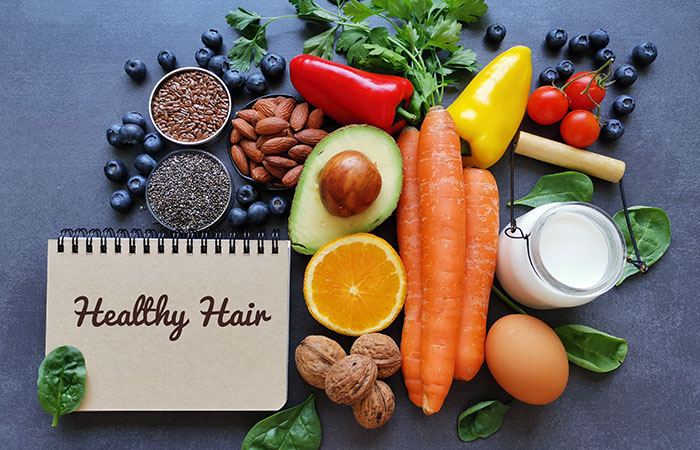
Hair health starts from within. While shampoos, serums, and hair treatments can improve the appearance of your hair, the nutrients your body receives play a major role in supporting healthy hair growth, strength, and thickness.
If you’ve noticed increased shedding, thinning hair, slower growth, or reduced volume, you may be wondering: what vitamins are good for hair growth?
The answer isn’t a single miracle supplement. Healthy hair relies on a combination of vitamins, minerals, protein, and overall nutrition. Certain nutrient deficiencies have been linked to hair thinning and hair loss, making it important to ensure your body gets the nutrients it needs.
In this guide, we’ll explore the best vitamins for hair growth, the science behind them, and how they may support stronger, healthier hair over time.
Table of Content
ToggleWhy Vitamins Matter for Hair Growth
Hair follicles are among the most active structures in the body. To produce healthy strands, they require a constant supply of nutrients, oxygen, and energy.
When nutrient levels become inadequate, the hair growth cycle can be disrupted, potentially leading to:
- Increased shedding
- Slower hair growth
- Thinner hair strands
- Reduced hair density
- Dry, brittle hair
While vitamin deficiencies are not always the cause of hair loss, correcting nutritional deficiencies can support overall scalp and hair health.
The Best Vitamins for Hair Growth
Biotin (Vitamin B7)
Biotin is one of the most well-known nutrients associated with hair health.
It helps the body metabolise proteins, fats, and carbohydrates while supporting keratin production — the protein that makes up hair.
Benefits of Biotin for Hair Growth
- Supports keratin production
- Helps maintain healthy hair structure
- May improve hair strength
- Supports nail and skin health
Natural Sources
- Eggs
- Nuts
- Seeds
- Salmon
- Dairy products
- Whole grains
Important Note
Despite its popularity, true biotin deficiency is relatively rare. Research suggests biotin supplementation is most beneficial when an actual deficiency exists.
Vitamin D
Vitamin D plays an important role in many bodily functions, including the regulation of hair follicle cycling.
Low vitamin D levels have been associated with certain forms of hair loss, including:
- Telogen effluvium
- Female pattern hair loss
- Alopecia areata
Benefits of Vitamin D
- Supports normal follicle function
- May help maintain healthy hair growth cycles
- Contributes to overall immune health
Natural Sources
- Sunlight exposure
- Fatty fish
- Egg yolks
- Fortified dairy products
Many people in the UK have low vitamin D levels, particularly during winter months.
Vitamin C
Vitamin C is often overlooked when discussing hair growth, but it performs several important functions.
How Vitamin C Supports Hair Health
- Helps produce collagen
- Improves iron absorption
- Protects hair follicles from oxidative stress
- Supports healthy scalp circulation
Collagen forms part of the structure that supports healthy hair follicles, making vitamin C a valuable nutrient for overall hair health.
Natural Sources
- Oranges
- Strawberries
- Kiwi
- Peppers
- Broccoli
- Tomatoes
Vitamin E
Vitamin E acts as a powerful antioxidant that helps protect cells from oxidative damage.
Potential Hair Benefits
- Supports scalp health
- Helps reduce oxidative stress
- Promotes healthy skin and hair follicles
Natural Sources
- Almonds
- Sunflower seeds
- Avocados
- Spinach
- Wheat germ oil
Although vitamin E deficiency is uncommon, maintaining adequate levels supports overall hair and scalp wellness.
Vitamin A
Vitamin A helps support cell growth throughout the body, including hair follicles.
Benefits
- Supports scalp health
- Assists natural sebum production
- Promotes normal cell turnover
Food Sources
- Sweet potatoes
- Carrots
- Pumpkin
- Spinach
- Kale
A Word of Caution
More isn’t always better. Excessive vitamin A intake can actually contribute to hair loss, so supplementation should be approached carefully.
Folic Acid (Vitamin B9)
Folic acid helps support healthy cell production and tissue growth.
Because hair follicles contain rapidly dividing cells, folate plays an important role in maintaining normal hair growth processes.
Natural Sources
- Leafy greens
- Lentils
- Beans
- Citrus fruits
- Asparagus
Essential Minerals for Healthy Hair Growth
Vitamins are only part of the picture. Several minerals also play critical roles in maintaining healthy hair.
Iron
Iron deficiency is one of the most common nutritional deficiencies worldwide and is frequently linked to hair thinning, particularly in women.
Iron Deficiency Hair Loss
When iron levels become low, the body prioritises vital organs over hair follicles.
This may result in:
- Increased shedding
- Diffuse thinning
- Reduced hair growth
Best Food Sources
- Lean red meat
- Poultry
- Fish
- Spinach
- Lentils
- Fortified cereals
If you suspect an iron deficiency, speak with a healthcare professional before starting supplements.
Zinc
Zinc helps support tissue growth, repair, and healthy follicle function.
Benefits
- Supports hair follicle health
- Helps regulate oil glands around follicles
- Contributes to tissue repair
Natural Sources
- Oysters
- Beef
- Pumpkin seeds
- Eggs
- Nuts
Severe zinc deficiency can contribute to hair loss, although it is relatively uncommon.
Magnesium
Magnesium supports hundreds of biological processes, including protein synthesis.
Potential Hair Benefits
- Supports keratin production
- Helps maintain normal cell function
- Contributes to healthy hair growth
Sources
- Leafy greens
- Bananas
- Nuts
- Seeds
- Whole grains
Collagen for Hair Growth
Collagen has become one of the most popular supplements for beauty and hair wellness.
Although research is still evolving, collagen provides amino acids that help support:
- Hair structure
- Scalp health
- Skin elasticity
Potential Benefits of Collagen for Hair Growth
- Supports healthy hair proteins
- Provides amino acids needed for keratin production
- May help improve overall hair quality
Food sources rich in collagen-supporting nutrients include:
- Bone broth
- Fish
- Chicken
- Eggs
- Citrus fruits
Best Supplements for Hair Growth
When choosing a supplement, it’s important to remember that more ingredients don’t always mean better results.
The best hair growth supplements typically focus on nutrients that are commonly deficient.
Common Ingredients Found in Hair Supplements
Nutrient | Potential Benefit |
Biotin | Supports keratin production |
Vitamin D | Supports follicle function |
Iron | Helps prevent deficiency-related hair loss |
Zinc | Supports follicle health |
Vitamin C | Enhances iron absorption |
Collagen | Supports hair structure |
Folic Acid | Supports cell growth |
Before taking supplements, consider speaking with a healthcare professional, especially if you suspect a deficiency.
Can Vitamins Help With Thinning Hair?
Vitamins can help if hair thinning is related to nutritional deficiencies.
However, many causes of hair loss are unrelated to vitamin levels.
Examples include:
- Male pattern baldness
- Female pattern hair loss
- Hormonal changes
- Genetics
- Medical conditions
- Stress-related shedding
In these cases, vitamin supplementation alone may not fully address the underlying cause.
Diet Tips for Healthier Hair
Supplements should complement a healthy diet rather than replace one.
To support stronger hair naturally:
Eat Protein-Rich Foods
Hair is primarily made from protein.
Include:
- Fish
- Eggs
- Poultry
- Lean meat
- Beans
- Greek yoghurt
Stay Hydrated
Dehydration can affect both scalp and hair health.
Include Healthy Fats
Omega-3 fatty acids may help support scalp health.
Sources include:
- Salmon
- Mackerel
- Chia seeds
- Walnuts
Eat a Variety of Fruits and Vegetables
Colourful produce provides vitamins, minerals, and antioxidants that support healthy hair growth.
When Should You Seek Professional Advice?
If you’re experiencing:
- Sudden hair loss
- Excessive shedding
- Bald patches
- Persistent thinning
it’s important to seek professional guidance.
Hair loss can sometimes indicate underlying health issues, including:
- Iron deficiency
- Thyroid disorders
- Hormonal imbalances
- Autoimmune conditions
Identifying the root cause is essential for choosing the most effective treatment.
Why Choose Harley St Health Care Hair Transplant Clinics?
At Hair Transplant Clinics, our experienced GMC-registered surgeons provide personalised FUT and FUE hair transplant treatments using advanced techniques to achieve natural-looking, long-lasting results. From consultation to aftercare, we focus on safe procedures, transparent pricing, and exceptional patient care.
Book your free consultation today and let our specialists help you choose the best hair restoration solution for your needs.
Final Thoughts
The best vitamins for hair growth are those that support healthy follicles, strong hair structure, and overall wellbeing. While supplements can be helpful when deficiencies are present, they are not a substitute for a balanced diet or professional medical advice.
Biotin, vitamin D, vitamin C, iron, zinc, and collagen are among the most talked-about nutrients for hair health, but the most effective approach is ensuring your body receives all the essential nutrients it needs.
If you’re concerned about ongoing hair thinning or hair loss, a professional assessment can help identify the underlying cause and guide you towards the most appropriate treatment plan.
Frequently Asked Questions
The most commonly recommended vitamins for hair health include biotin, vitamin D, vitamin C, vitamin E, and folic acid. Iron and zinc are also important minerals that support healthy hair growth.
Biotin supports keratin production and healthy hair structure. It may be most beneficial for individuals with a biotin deficiency.
Yes. Iron deficiency hair loss is one of the most common nutritional causes of hair thinning, particularly among women.
Collagen provides amino acids that help support hair structure and may contribute to healthier-looking hair.
Deficiencies in iron, vitamin D, zinc, vitamin C, and certain B vitamins have all been associated with hair loss or thinning hair.
Hair grows slowly, so noticeable improvements often take three to six months or longer, depending on the underlying cause and individual circumstances.