Summary
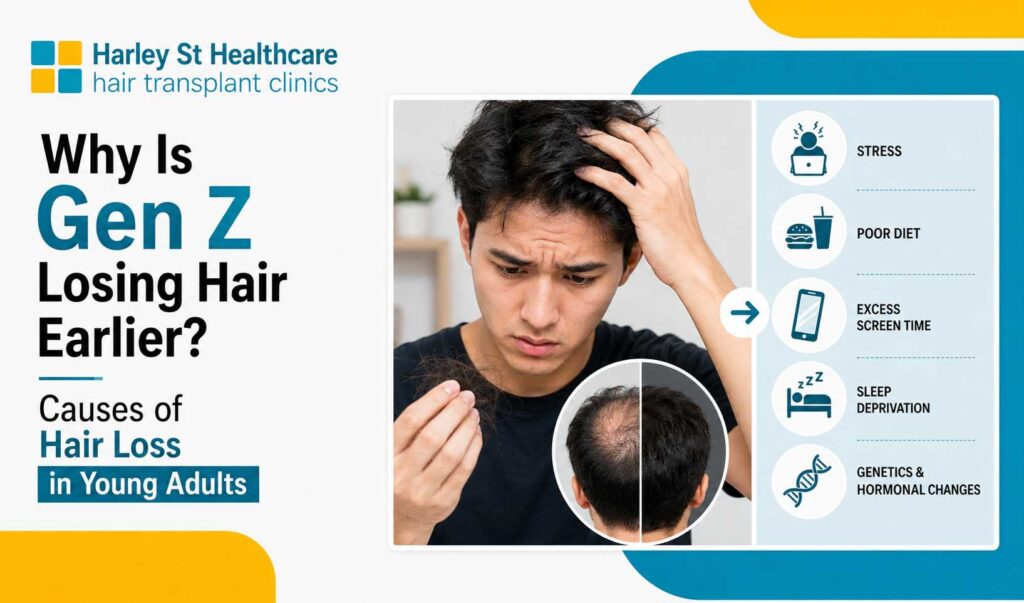
Hair loss is no longer only associated with older adults. Many people from Gen Z are now experiencing hair thinning, increased shedding, and early signs of hair loss in their teens and 20s. While stress is often blamed as the main reason, factors such as genetics, nutrition, lifestyle habits, hormonal changes, and environmental exposure can also affect hair health. Understanding the causes of Gen Z hair loss can help young adults take the right steps to protect their hair.
Table of Content
ToggleIntroduction
For decades, hair loss was considered a common concern among older generations. However, today, more young adults are searching for answers about Gen Z hair loss, early thinning, and unexpected hair fall.
Seeing extra hair on your pillow, noticing a receding hairline, or experiencing reduced hair density in your 20s can be worrying. Many people immediately assume stress is the only reason, but hair loss is usually caused by multiple factors working together.
Modern lifestyles have changed significantly. Increased screen time, irregular sleep patterns, processed diets, pollution, and constant stress have created new challenges for maintaining healthy hair.
So, why is Gen Z losing hair earlier?
The answer involves a combination of genetics, lifestyle choices, nutritional factors, hormonal changes, and environmental influences.
Why Is Gen Z Experiencing More Hair Loss?
Hair loss in young adults can happen due to several different reasons. Identifying the cause early can help in choosing the right approach for managing hair thinning.
Stress and Digital Lifestyle Are Affecting Hair Growth
Stress is one of the most commonly discussed causes of hair loss in young adults.
Gen Z experiences unique pressures, including academic competition, career challenges, financial concerns, and constant digital connectivity. Long-term stress can increase cortisol levels, which may interfere with the natural hair growth cycle.
High stress levels can trigger a condition called telogen effluvium, where more hairs enter the resting phase and fall out earlier than normal.
Signs of stress-related hair shedding may include:
- Increased hair fall while washing
- More hair found on pillows or clothing
- Overall thinning across the scalp
Managing stress, improving sleep quality, exercising regularly, and maintaining a balanced routine can support healthier hair growth.
Poor Nutrition and Vitamin Deficiencies
Healthy hair requires essential nutrients to grow properly. However, busy lifestyles often lead many young adults to skip meals or follow unhealthy eating patterns.
A lack of important nutrients can weaken hair follicles and contribute to increased shedding.
Common nutritional factors linked with hair thinning include:
- Iron deficiency
- Vitamin D deficiency
- Zinc deficiency
- Low protein intake
- Biotin deficiency
A balanced diet rich in protein, vitamins, and minerals helps support healthy hair follicles and overall scalp health.
Genetics and Early Hair Loss
Although lifestyle factors play a role, genetics remain one of the biggest causes of permanent hair loss.
Male and female pattern hair loss can begin earlier than many people expect, sometimes appearing during the late teens or twenties.
Common signs include:
- Receding hairline
- Thinning crown area
- Reduced overall hair density
- Wider hair parting in women
If early hair loss runs in your family, you may have a higher chance of experiencing similar patterns.
Recognising genetic hair loss early can help you explore suitable treatment options before significant thinning occurs.
Lack of Sleep and Unhealthy Lifestyle Habits
Sleep plays an important role in the body’s repair processes, including maintaining healthy hair follicles.
Many young adults experience irregular sleep schedules due to work, studies, social media, and digital habits.
Lifestyle factors that may affect hair health include:
- Poor sleep quality
- Chronic stress
- Smoking or vaping
- Lack of exercise
- Excessive alcohol consumption
Making small improvements to daily habits can help create a healthier environment for hair growth.
Pollution and Environmental Damage
Environmental factors are another possible reason behind increasing hair thinning in Gen Z.
Pollution, dust, and harmful particles can affect scalp health and weaken hair strands over time.
Common environmental factors include:
- Air pollution
- Hard water exposure
- Humidity
- Scalp buildup
Keeping the scalp clean and following a suitable hair care routine can help minimise environmental damage.
Hair Styling Habits That Damage Hair
Hair styling trends have become increasingly popular among younger generations. However, excessive styling can weaken hair over time.
Frequent use of:
- Heat styling tools
- Hair colouring
- Bleaching treatments
- Tight hairstyles
can cause hair breakage and put stress on the scalp.
Repeated pulling from tight hairstyles may lead to traction alopecia, which can become permanent if ignored.
Hormonal Changes and Hair Thinning
Hormonal changes can also contribute to early hair loss.
Conditions such as:
- PCOS in women
- Thyroid problems
- Hormonal imbalance
can affect the hair growth cycle and increase shedding.
If hair loss is sudden, excessive, or continues for several months, professional guidance can help identify the underlying cause.
Can Hair Loss in Gen Z Be Reversed?
The possibility of reversing hair loss depends on what is causing it.
Some types of hair loss caused by stress, poor nutrition, or lifestyle factors may improve once the underlying problem is addressed.
However, genetic hair loss usually requires targeted treatments to slow progression and maintain results.
Possible approaches may include:
- Improving diet and lifestyle habits
- Medical hair loss treatments
- PRP therapy
- Scalp treatments
- Hair restoration procedures
Early diagnosis is important because treatment outcomes are often better when hair thinning is identified at an earlier stage.
When Should Young Adults Consider Hair Restoration?
Many young adults wonder whether they are too young for hair restoration treatments.
Age alone does not determine whether someone is suitable for hair restoration. Specialists consider several factors, including:
- Cause of hair loss
- Stability of hair loss pattern
- Donor hair availability
- Future hair loss expectations
A professional consultation can help determine the most suitable option based on individual hair loss concerns.
Expert Support for Early Hair Loss and Hair Restoration
At Hair Transplant Clinics UK, we understand that experiencing hair loss at a young age can affect confidence and daily life.
Our approach focuses on identifying the underlying cause of hair thinning and helping patients understand personalised treatment options.
Whether you are experiencing early hair loss, thinning hair, or concerns about future hair loss, professional guidance can help you make informed decisions about your hair restoration journey.
Conclusion
Gen Z hair loss is becoming a growing concern due to a combination of genetics, stress, lifestyle habits, nutrition, and environmental factors.
While losing hair at a young age can feel overwhelming, understanding the cause is the first step towards finding the right solution.
Early awareness, healthy lifestyle choices, and professional advice can help protect existing hair and improve long-term hair health.
Frequently Asked Questions
Yes, many Gen Z individuals are experiencing hair thinning and increased hair fall at a younger age. Factors such as stress, genetics, poor nutrition, lifestyle habits, pollution, and hormonal changes can contribute to early hair loss.
Gen Z may experience earlier hair loss due to a combination of stress, genetics, poor sleep, nutritional deficiencies, lifestyle changes, and environmental factors.
Some types of hair loss caused by stress, poor nutrition, or lifestyle factors may improve through better diet, stress management, quality sleep, and proper hair care habits.
Low levels of nutrients such as iron, vitamin D, zinc, biotin, and protein may contribute to hair thinning and excessive shedding.
Hair regrowth depends on the cause of hair loss. Temporary shedding may improve, while genetic hair loss may require treatments such as medication, PRP therapy, or hair restoration procedures.
Millennials may experience early hair thinning due to similar factors affecting Gen Z, including stress, lifestyle changes, nutrition, genetics, and environmental exposure.
A hair transplant may be suitable for some young adults, but the decision depends on factors such as the cause of hair loss, stability of hair loss, and long-term expectations.