Summary Hair shedding is a normal part of the hair growth cycle, but noticing more hair than usual on your pillow, clothes, hairbrush or in the shower can understandably be concerning. Hair falling out can have many possible causes, including…
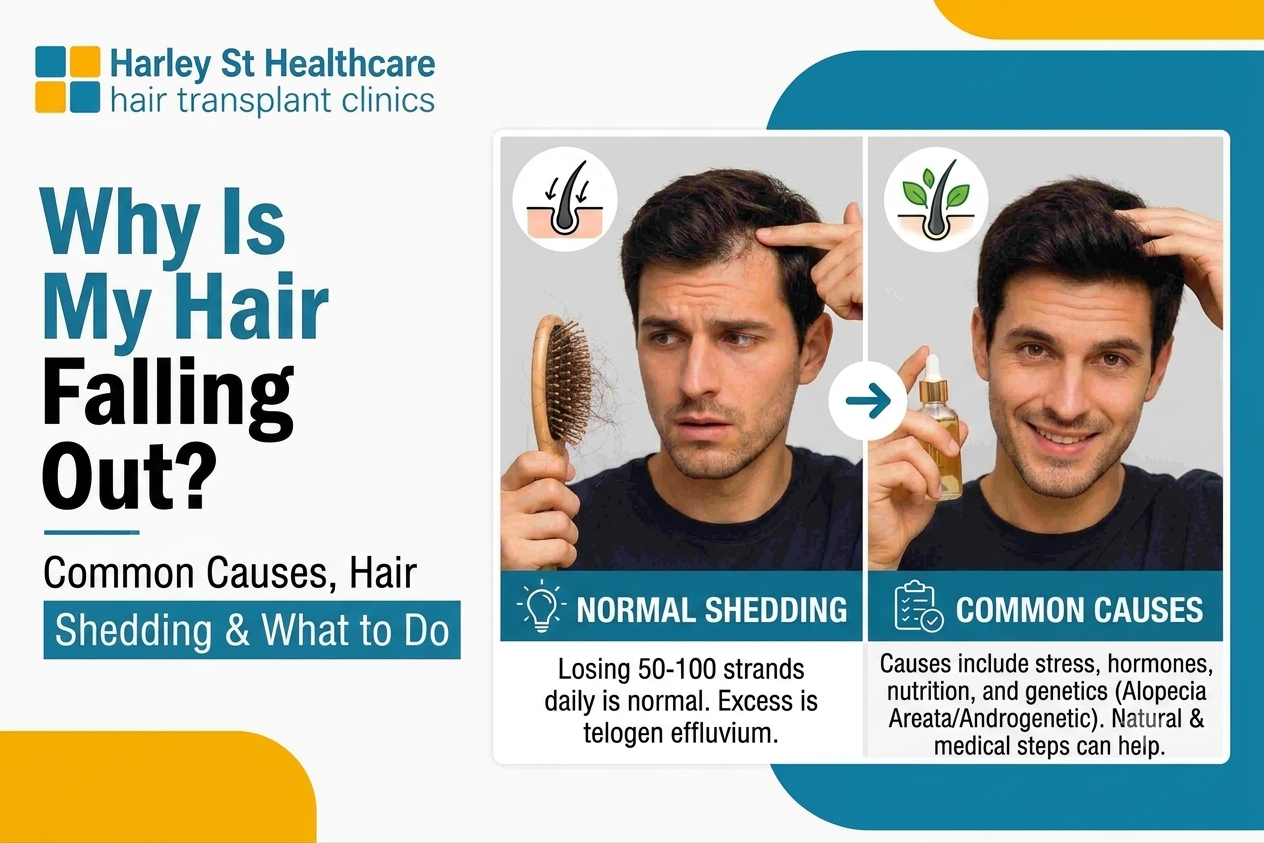

Summary Hair shedding is a normal part of the hair growth cycle, but noticing more hair than usual on your pillow, clothes, hairbrush or in the shower can understandably be concerning. Hair falling out can have many possible causes, including…
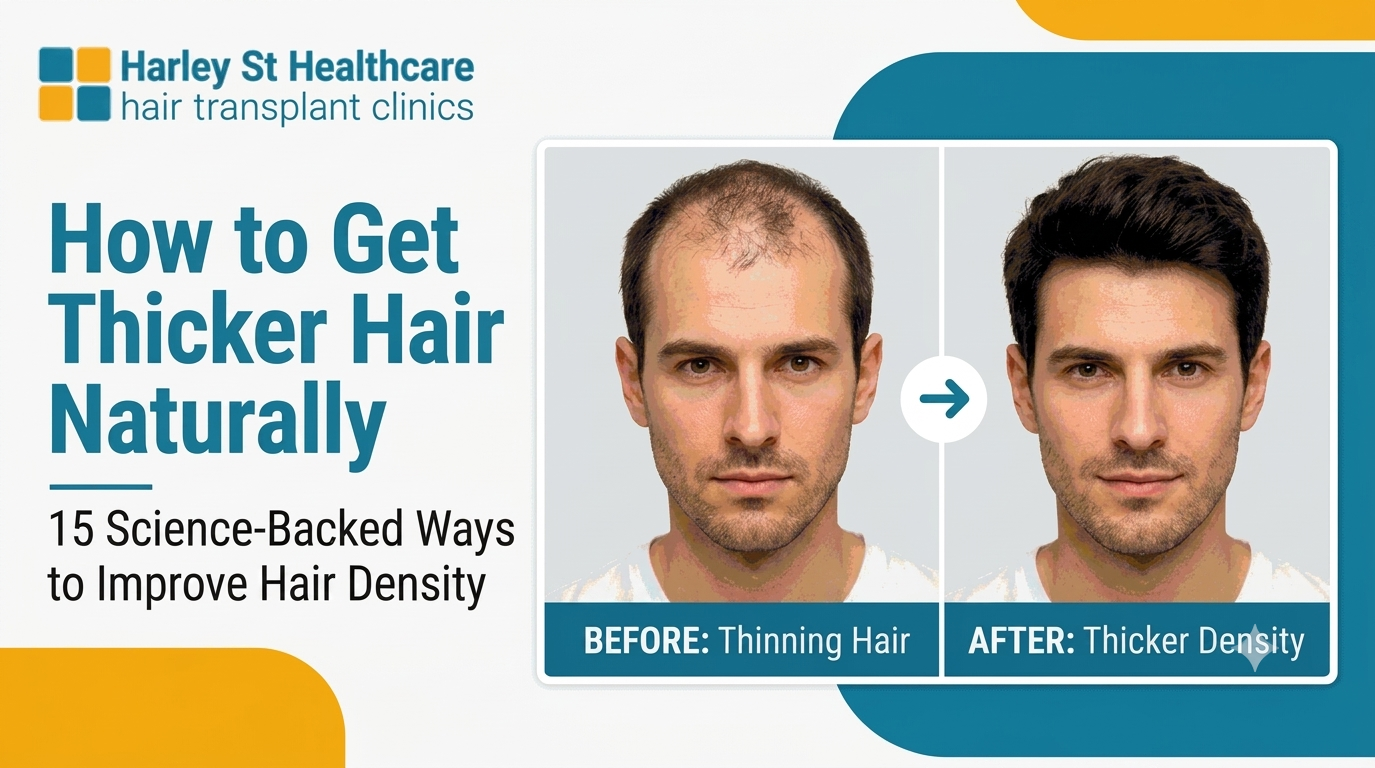
If you’ve noticed your hair becoming thinner, you’re not alone. Hair thinning affects millions of men and women and can happen at almost any age. Whether you’ve started seeing more hair in the shower, a widening parting, or reduced volume,…
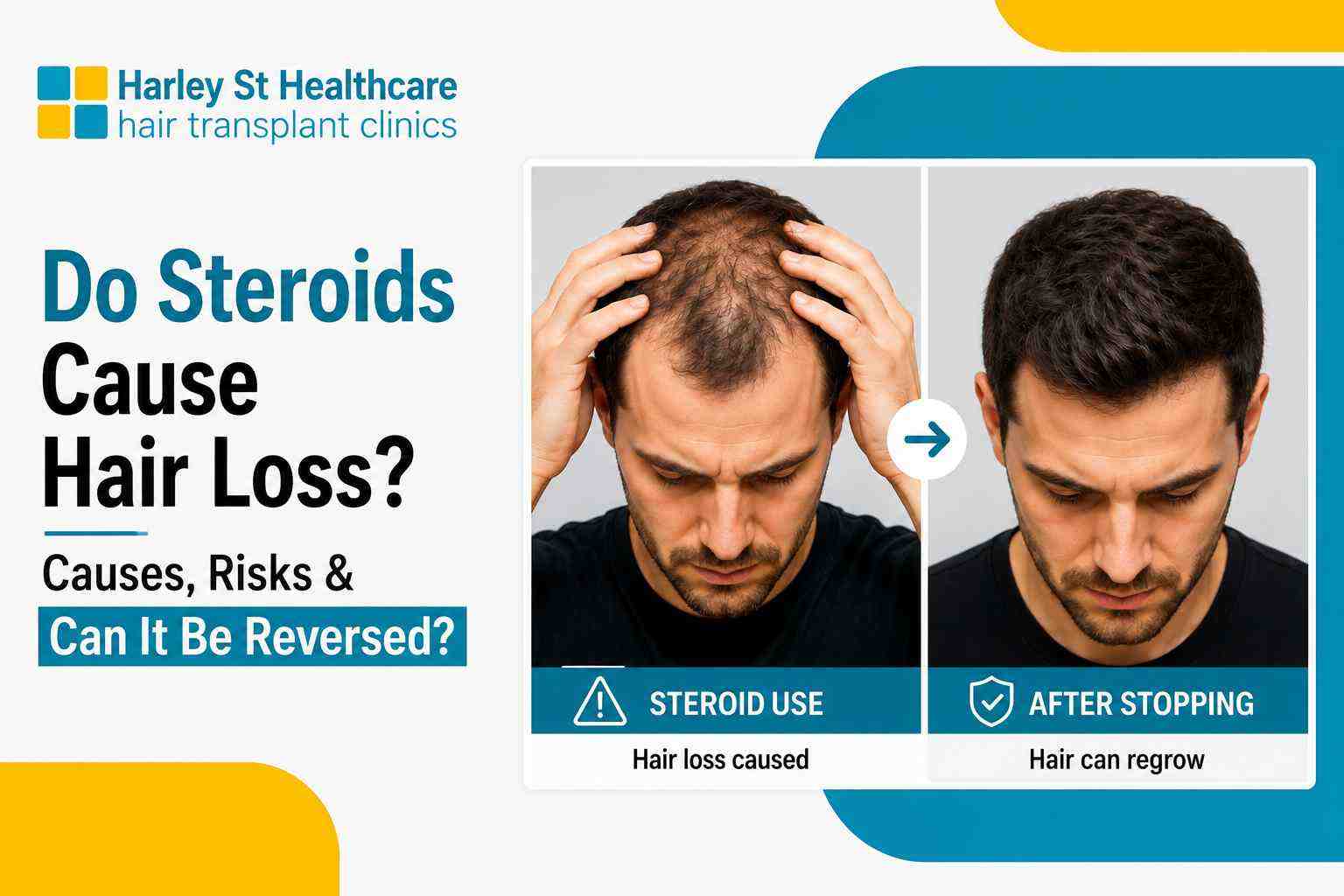
Summary Many people use anabolic steroids to increase muscle size or improve athletic performance, while corticosteroids are prescribed to treat a range of medical conditions. This can raise an important question: do steroids cause hair loss?The answer depends on the…
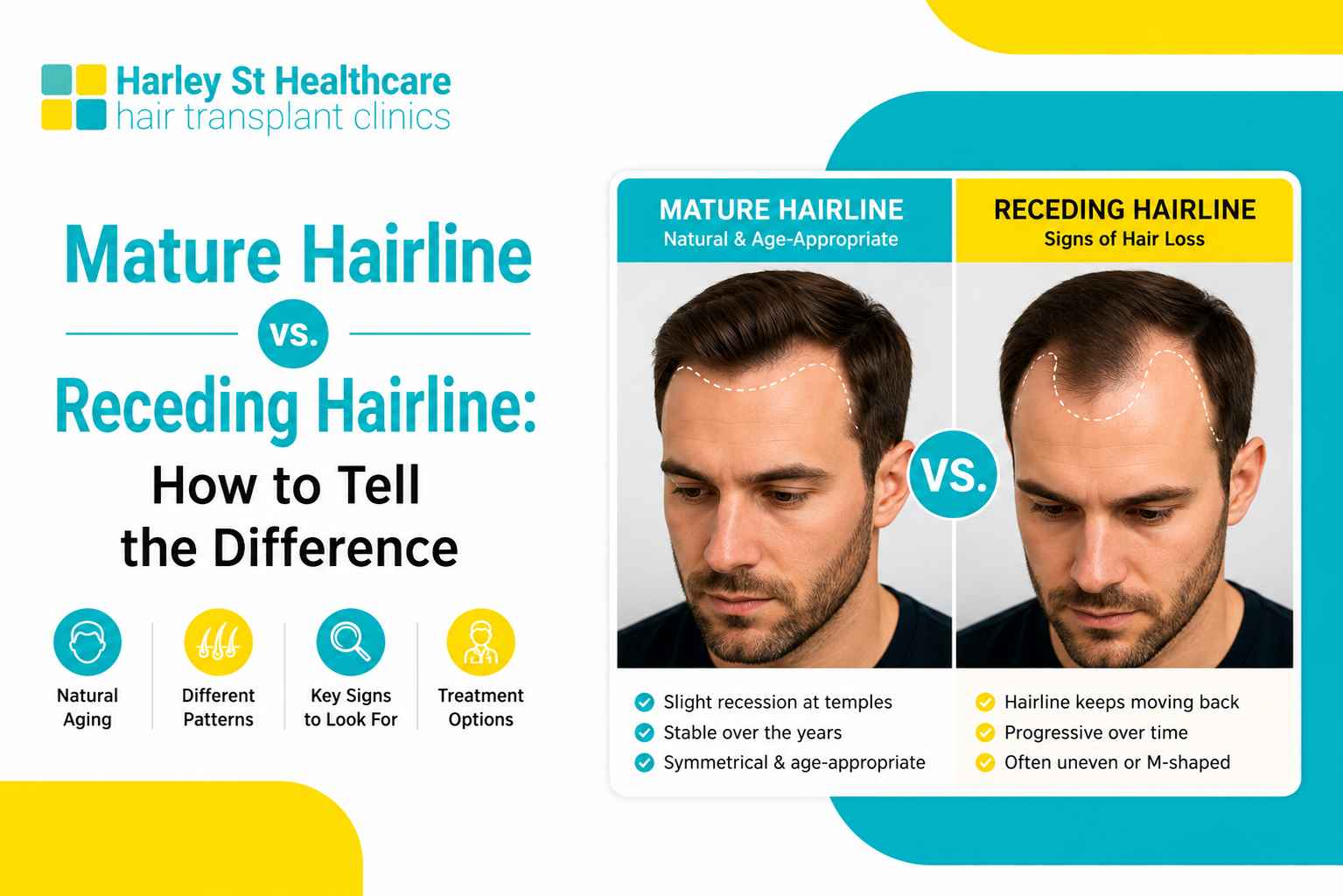
Noticed your hairline changing and wondering whether it’s a normal mature hairline or the start of hair loss? You’re not alone.Many men begin to notice subtle changes around their temples in their late teens or twenties and immediately worry they…
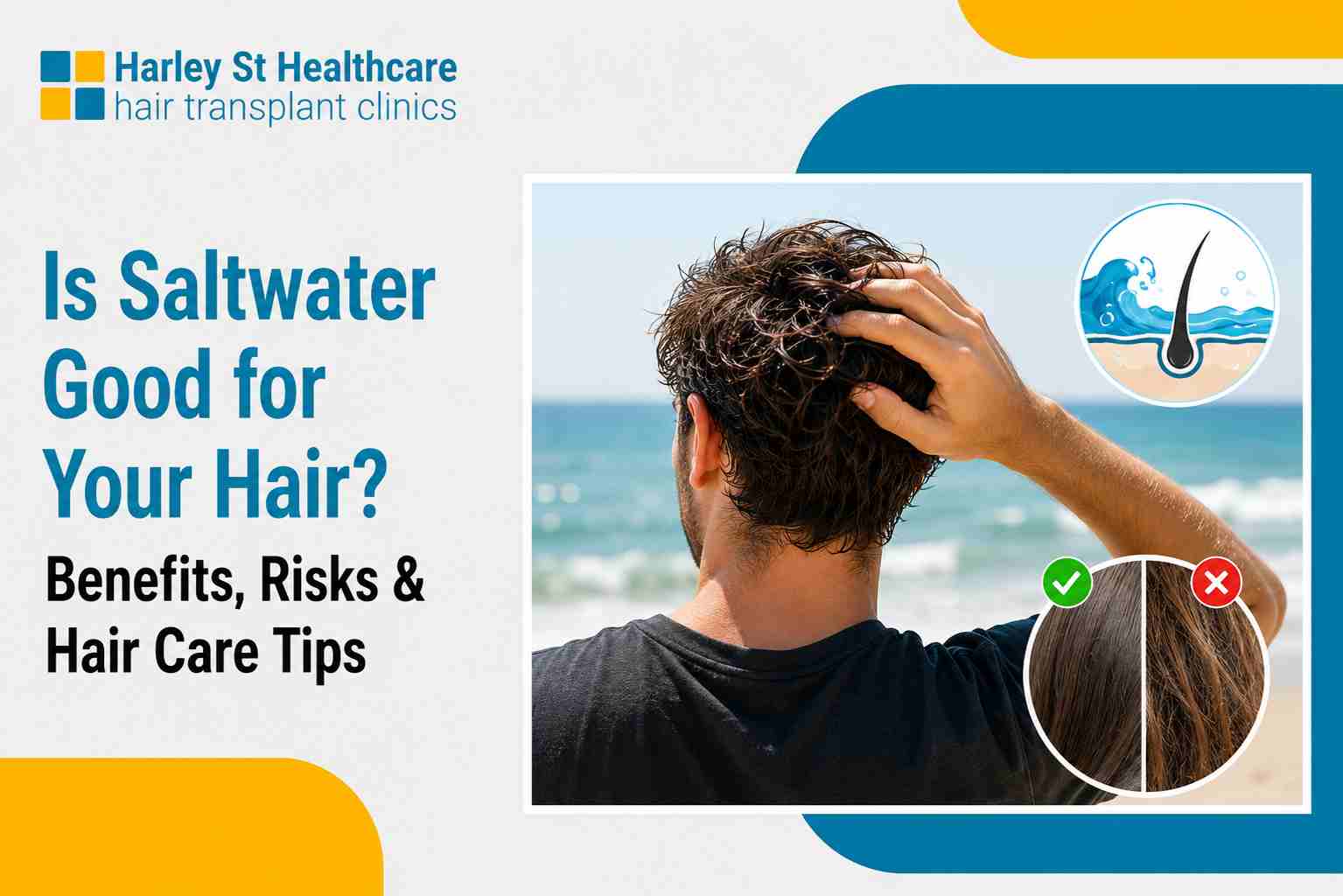
Spending time at the beach is one of the best ways to relax, especially during the warmer months. Many people enjoy the natural texture and volume their hair gets after a swim in the ocean. But is saltwater good for…
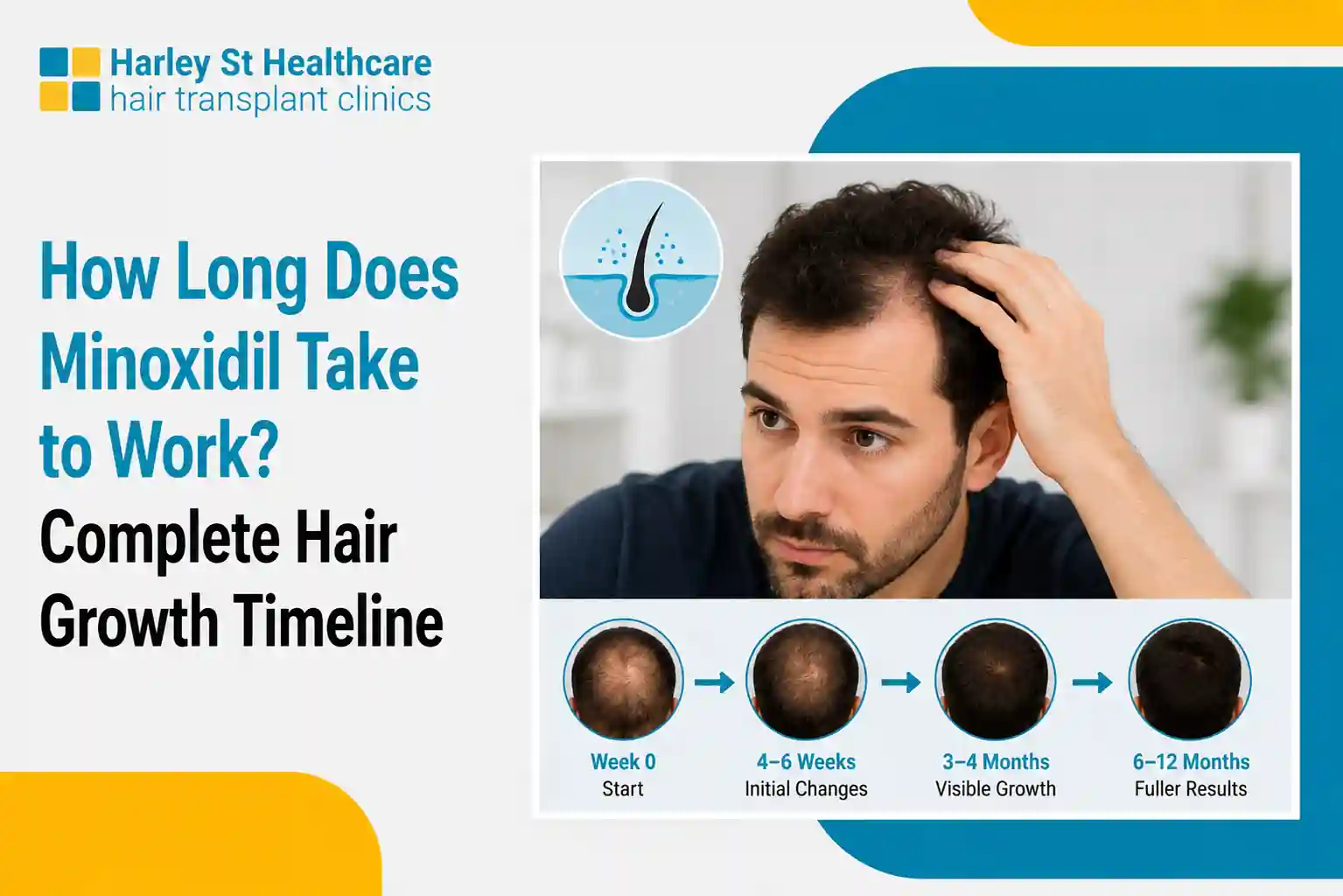
Hair loss can be frustrating, especially when you’re actively trying to reverse it. If you’ve recently started using Minoxidil, you’re probably wondering one thing: how long does Minoxidil take to work? The short answer is that most people start noticing…
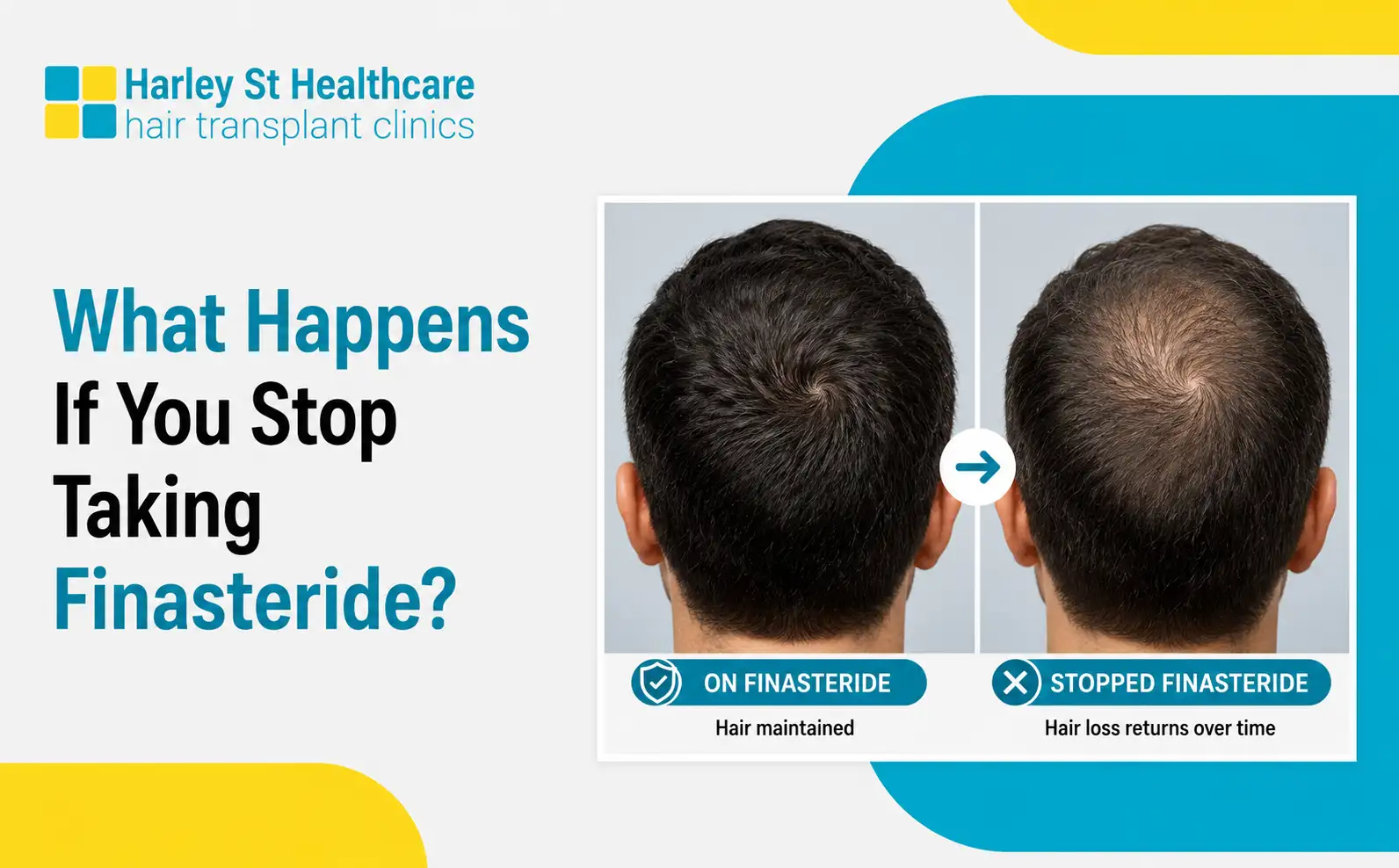
Finasteride is one of the most commonly prescribed treatments for male pattern baldness. It works by reducing levels of dihydrotestosterone (DHT), the hormone primarily responsible for shrinking hair follicles and causing progressive hair loss. But what happens if you decide…
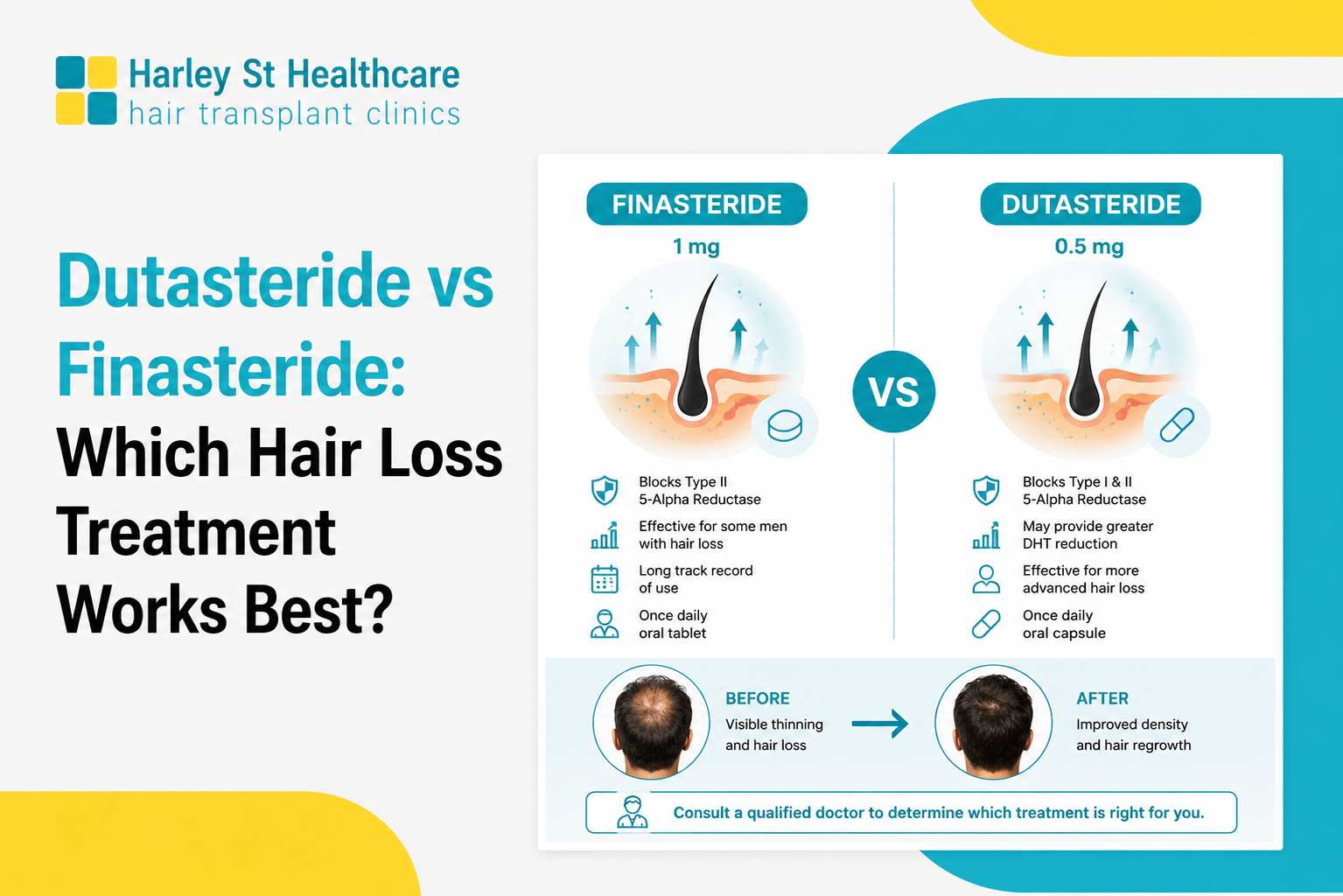
Male pattern hair loss (also called androgenetic alopecia) is mainly caused by a hormone called DHT (dihydrotestosterone). This hormone gradually shrinks hair follicles, leading to thinning, recession, and long-term hair loss. Two of the most commonly prescribed treatments are finasteride…
Summary Finasteride reduces hair loss by lowering DHT levels. Most users notice reduced shedding in 3–6 months, while visible regrowth typically appears in 6–12 months. Results depend on individual response, hair cycle, and treatment consistency. Introduction Finasteride is one of…
SUMMARY Finasteride and minoxidil are the two most clinically proven treatments for male pattern hair loss, but they work in completely different ways. Finasteride reduces DHT, the hormone responsible for follicle shrinkage, helping slow or stop further hair loss progression.…